What does an HPLC purity percentage mean?
It describes the relative chromatographic profile reported for a stated sample under a particular method. Interpret it with the sample, batch, method context, units and report date.
Understand how to read HPLC purity information without treating one percentage as a complete supplier evaluation.
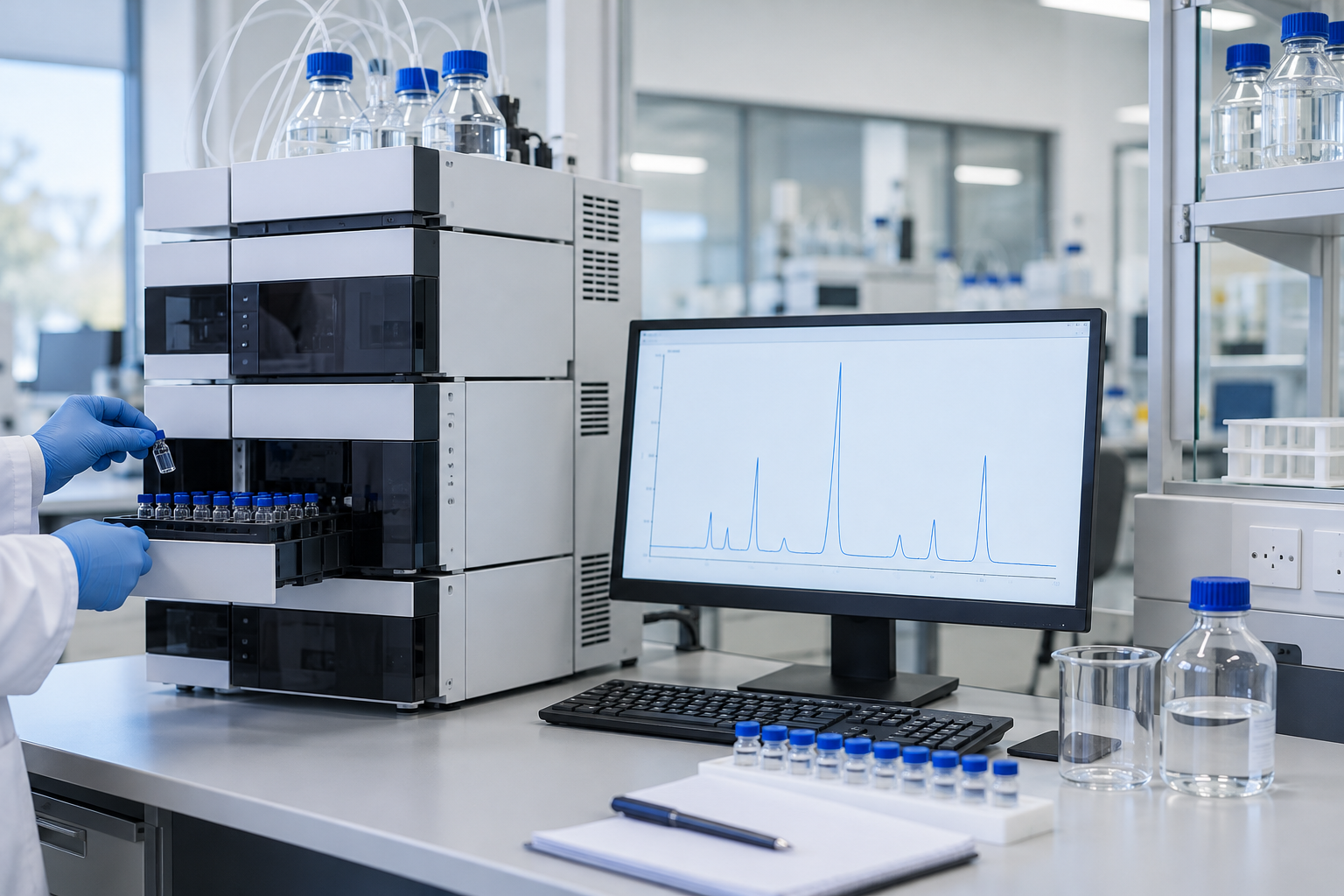
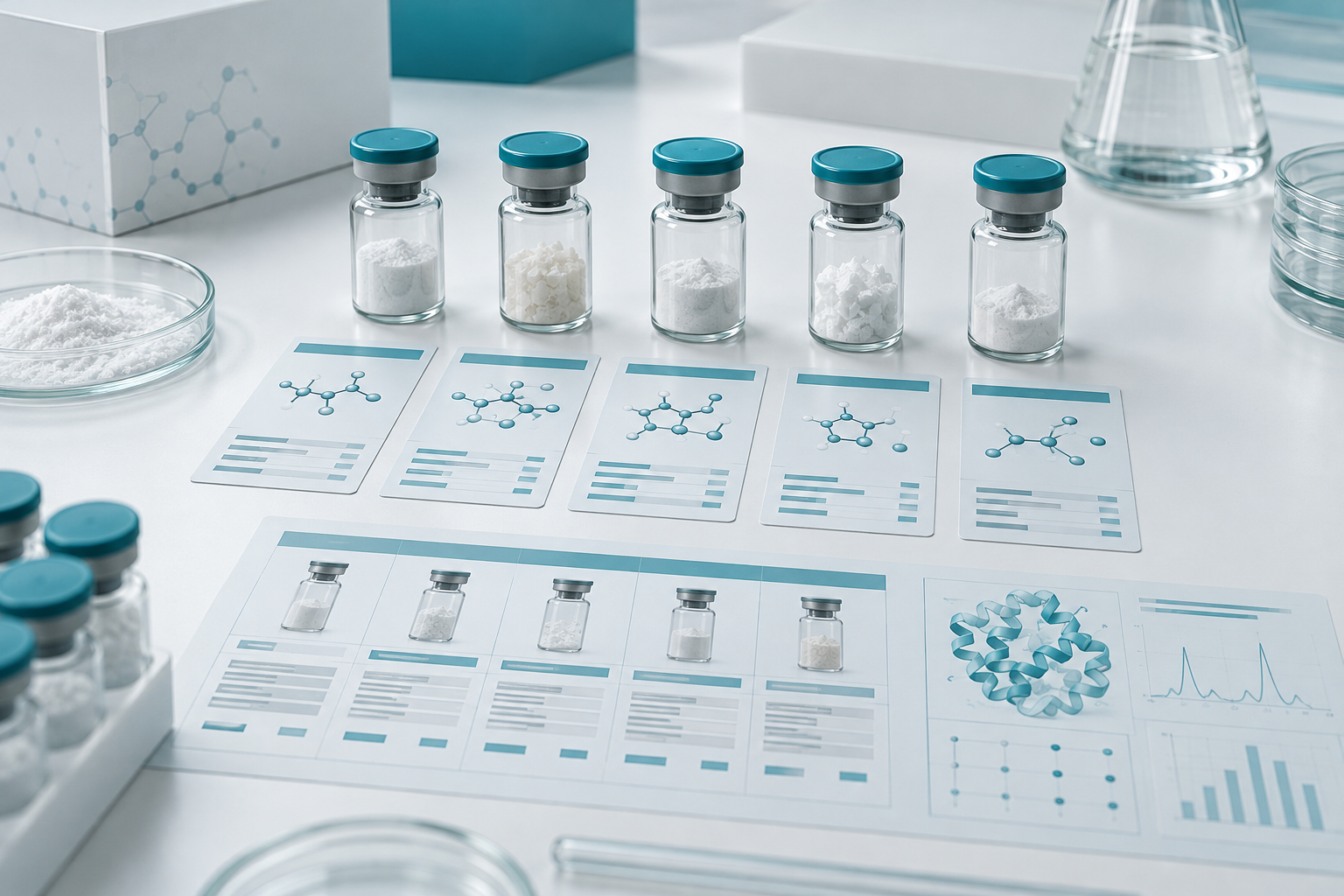
An HPLC percentage describes the reported profile under a particular method and sample. It should be read with the method, batch and product identity.
Review checkpoint: Treat the percentage as a result under the stated conditions, rather than a complete description of the material.
Confirm whether the result belongs to the quoted batch and whether the record identifies the sample and test date.
Review checkpoint: Check the sample identifier, method or chromatogram context and report date before comparison.
Combine HPLC information with identity data, packaging records and traceability. A single number does not replace a complete procurement review.
Review checkpoint: Use identity and traceability records to answer questions that an HPLC purity percentage cannot answer alone.
Begin with the exact product and requested format. Match those details to the quotation, then check that every analytical or packaging record identifies the relevant batch. Review the method, result units and document date before recording a procurement decision.
If a detail is missing or inconsistent, pause the review and ask a specific question. A useful response should identify the product, batch and supporting record without relying on general marketing language.
It describes the relative chromatographic profile reported for a stated sample under a particular method. Interpret it with the sample, batch, method context, units and report date.
An HPLC purity result does not by itself establish identity. Review the available identity information and confirm that it refers to the same product and batch.
Only compare values after checking the product, sample, method context, units and report date. A headline percentage without those fields is not a complete comparison.
These references support the general analytical and traceability concepts in this guide. They do not certify a product or batch.
Compare the record with your laboratory's own procurement requirements, then request the relevant product and batch details.
Browse research peptide products → · Review the quality workflow → · Read the research FAQ → · Contact HelixCore →